 UniReco Helping You Choose the Right Campus for Your Future

Related Articles
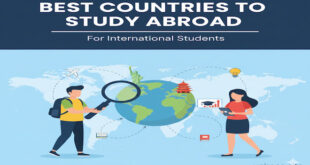


Studying abroad is one of the biggest educational decisions a student and their family can make. It’s not just about picking a university or a program—it’s about choosing a country that will shape your academic experience, personal growth, finances, and future career opportunities.
Many students start this process with a simple question: Which country is the best for studying abroad?
The honest answer is: there is no single best country. What works well for one student may be a poor fit for another.
This article offers a clear, research-backed comparison of popular study abroad destinations, focusing on what truly matters in real life—not rankings, marketing slogans, or social media hype. The goal is to help students and parents understand the differences between countries and make informed, practical decisions.
Why Comparing Countries Matters Before Choosing a University
A common mistake is to focus on universities first and think about the country later. In reality, the country you choose affects almost every aspect of your experience, including:
- Cost of education and living
- Language of instruction and daily life
- Work opportunities during and after study
- Immigration and post-study visa options
- Teaching styles and academic expectations
- Cultural adjustment and lifestyle
Two students studying the same subject at similar-ranked universities can have very different outcomes depending on the country they choose. That’s why country-level comparison should come early in the decision process.
Key Factors to Consider When Comparing Study Abroad Countries
Before looking at specific destinations, it helps to understand the main factors that should guide your comparison.
Education System and Teaching Style
Different countries emphasize different approaches to learning. Some systems are more theoretical and exam-focused, while others prioritize practical skills, discussion, and project-based learning.
Ask yourself:
- Do I learn better through lectures and exams, or projects and presentations?
- Do I prefer structured guidance or independent study?
- How much classroom interaction do I expect?
Cost of Study and Living
Costs vary widely between countries and even between cities within the same country. It’s important to consider total cost, not just tuition.
This includes:
- Tuition fees
- Accommodation
- Food and transportation
- Health insurance
- Books and materials
Lower tuition does not always mean lower overall cost.
Language and Cultural Environment
Studying in a country where the main language is not your first language can be rewarding, but also challenging.
Consider:
- Language of instruction
- Language used in daily life
- Academic language requirements
- Cultural distance from your home country
Work Opportunities and Career Outcomes
Many students plan to work part-time during study or seek employment after graduation.
Key questions include:
- Are international students allowed to work part-time?
- Are post-study work visas available?
- How strong are graduate employment outcomes?
Visa Policies and Immigration Pathways
Visa rules change, but countries differ in how welcoming they are to international students long-term.
Some countries actively use education as a pathway to skilled migration, while others do not.
Comparing Popular Study Abroad Destinations
Below is a practical comparison of several popular study abroad countries, focusing on strengths, limitations, and who each destination tends to suit best.
Studying in the United States
The United States remains one of the most popular study abroad destinations globally, known for its large number of universities and program diversity.
Strengths
- Wide range of programs and institutions
- Flexible education system with electives
- Strong research output and facilities
- Global recognition of degrees
Challenges
- High tuition fees, especially at private institutions
- Complex visa system
- Limited post-study work options compared to some other countries
- Healthcare costs can be high
Best For
Students seeking flexibility, strong research opportunities, and access to cutting-edge facilities—especially those with solid financial planning or scholarships.
Studying in the United Kingdom
The UK offers a long academic tradition and shorter degree durations compared to many other countries.
Strengths
- Undergraduate degrees often completed in three years
- Master’s programs typically one year
- Strong global reputation
- Clear academic structure
Challenges
- Tuition fees can be high for international students
- Cost of living, especially in major cities
- Academic workload can be intense
Best For
Students who prefer structured programs, shorter study duration, and a strong academic focus with less emphasis on electives.
Studying in the Canada
Canada has gained popularity due to its balance of quality education, affordability, and immigration-friendly policies.
Strengths
- High-quality public universities
- More affordable tuition compared to the US
- Generous post-study work options
- Strong safety and quality of life
Challenges
- Competitive admission for popular programs
- Cold climate in many regions
- Limited spots in some professional fields
Best For
Students looking for a balanced option with strong long-term career and residency possibilities.
Studying in Australia
Australia is known for its international student support and practical, career-oriented education.
Strengths
- Clear post-study work pathways
- Strong student support services
- Practical, industry-linked programs
- English-speaking environment
Challenges
- High living costs in major cities
- Distance from many home countries
- Housing shortages in some areas
Best For
Students who want work experience during and after study and prefer applied learning environments.
Studying in Germany
Germany stands out for its low or no tuition fees at public universities, especially for undergraduate programs.
Strengths
- Very low tuition fees at public institutions
- Strong engineering and technical programs
- Well-regarded degrees in Europe
- Strong economy and job market
Challenges
- Many programs require German language skills
- More rigid academic structure
- Less hand-holding for students
Best For
Independent learners interested in technical fields who are willing to adapt to a more self-directed system.
Studying in Japan
Japan offers a unique blend of tradition, technology, and growing international programs.
Strengths
- Increasing number of English-taught programs
- Strong focus on science and technology
- Safe environment
- Government scholarships available
Challenges
- Language barrier in daily life
- Cultural adjustment can be significant
- Work culture may differ from expectations
Best For
Students interested in technology, innovation, or Japanese culture, and those open to a very different academic and social environment.
Comparing Costs Across Countries
When comparing countries, cost should be viewed holistically.
For example:
- A country with low tuition but high living costs may not be cheaper overall
- Shorter programs can reduce total expenses
- Work opportunities can offset living costs
Families should create a realistic budget that includes all expected expenses over the full duration of study.
Academic Recognition and Degree Portability
Another important consideration is how well a degree is recognized internationally or in your home country.
Questions to ask:
- Is the degree recognized by employers or professional bodies?
- Will it allow entry into postgraduate study elsewhere?
- Are accreditation requirements country-specific?
Degrees from well-regulated education systems tend to be more portable, but specific professions may require additional licensing.
Cultural Fit and Student Well-Being
Academic success is closely tied to well-being.
Students should consider:
- Social openness and inclusivity
- Availability of student communities
- Support services for international students
- Attitudes toward foreigners
A country that feels welcoming and manageable often leads to better academic outcomes than one chosen purely for prestige.
Choosing Based on Long-Term Goals
Short-term study experience is important, but long-term outcomes matter too.
Think about:
- Where do I want to work after graduation?
- Does this country offer realistic post-study options?
- Will this experience strengthen my career path?
Some countries are better suited for returning home after study, while others are designed to retain international graduates.
Common Mistakes in Study Abroad Country Selection
Many students make avoidable mistakes, such as:
- Choosing based only on rankings
- Ignoring visa and work regulations
- Underestimating living costs
- Overlooking language requirements
- Assuming all countries offer similar student support
Awareness of these issues can prevent costly setbacks.
A Practical Framework for Final Comparison
To narrow down options, rate each country based on:
- Academic fit
- Financial feasibility
- Language comfort
- Work and visa opportunities
- Lifestyle and cultural fit
Write short notes explaining each score. The best option often becomes clear when comparisons are written down.
Final Thoughts
Choosing a study abroad destination is not about finding the “top” country. It’s about finding the right match between a student’s goals, abilities, finances, and expectations.
By comparing countries thoughtfully—looking beyond surface-level impressions—students and parents can make confident, informed decisions that support both academic success and long-term outcomes.
A well-chosen country creates the foundation for a meaningful study abroad experience.